Dream Playground Kenosha | Fully Accessible Play Space for All Kids
Dream Playground: The Playground That Actually Includes Every Kid
Rating: 5/5 stars | Parks | Accessible | Inclusive | Kids
Dream Playground is different because it was designed from the ground up for *all* kids—not for typically-developing kids with accommodations added later.
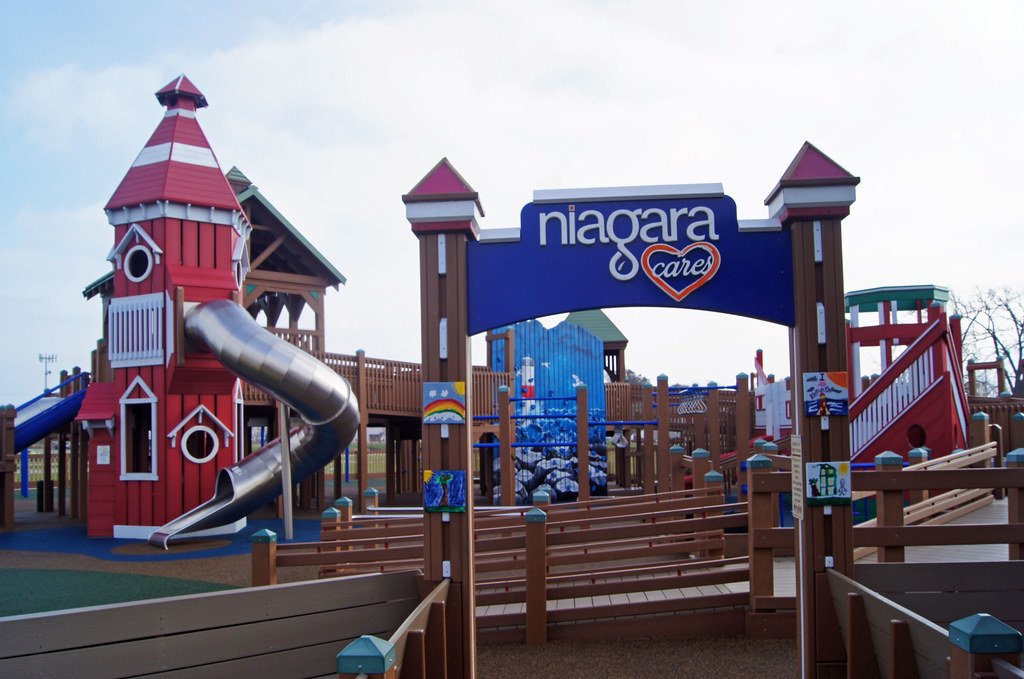
That means: wheelchair-accessible entry paths (12-foot-wide, smooth surfaces), accessible swings designed for kids with mobility challenges, sensory-friendly equipment for autistic and sensory-sensitive kids, shade structures (critical for kids with seizure triggers or light sensitivities), wide-open layout (no cramped areas), accessible restrooms, and seating for caregivers and siblings. The equipment itself includes adaptive swings, ground-level play stations for wheelchair users, swings with harnesses, and ramps instead of stairs wherever possible.
The funding model is what makes this real: community donations, grants, school district partnerships, and corporate sponsorships. It’s not perfect (no public facility is), but the fact that Kenosha *funded* this is significant. A fully accessible playground costs $500K-$1M+. Most communities punt on it.
Vex’s take: “Accessible playgrounds aren’t ‘nice to have’—they’re necessary infrastructure. Every kid deserves to play. Dream Playground proved Kenosha gets it.“
Jax adds: “Designed from the ground up for wheelchair access, sensory needs, and adaptive equipment. This isn’t a standard playground with accommodations bolted on—it’s actually inclusive.“
The actual experience: on any afternoon, you’ll see kids of all abilities playing together. Siblings of disabled kids having fun alongside their brothers/sisters. Parents who usually can’t let their kids play independently actually sitting and relaxing while their kid explores. Adaptive sports leagues using the space for training. Therapy providers running sessions here. School groups coming for field trips.
The design philosophy is *radical honesty*: if your kid uses a wheelchair, you should be able to walk them to the swings without planning logistics for an hour. If your kid has sensory sensitivities, they shouldn’t be trapped by bright colors and overwhelming noises. If you’re a caregiver, you shouldn’t have to stand hypervigilant the entire time because equipment is inaccessible.
Why you should go: If you have a disabled kid or a sibling of one, this is *your* playground. If you want to see what inclusive community design looks like in practice, come. If you’re teaching kids about access and inclusion, bring a school group. It’s free to visit, donations welcome.
Flux’s GBP Profile Audit
Current Status: Dream Playground has Google Business Profile presence, but it’s not optimized for either local parent discovery or accessibility-specific searches.
What’s Working:
- ✓ Listed as park/playground
- ✓ Address and phone available
- ✓ Website linked
- ✓ Some community photos
SEO/AEO Opportunities (Quick Wins):
- Business Description (CRITICAL): Rewrite to lead with accessibility: “Fully accessible, inclusive playground designed for children of all abilities. Wheelchair-accessible paths, adaptive swings, sensory-friendly equipment, shade structures, and accessible restrooms. Free to visit. Donations welcome.” — This gets pulled into AI searches for “accessible playgrounds near me,” “inclusive recreation Kenosha,” and “disability-friendly parks.”
- Attributes: Check: Wheelchair Accessible, Family Friendly, Free Admission, Parking Available, Restrooms, Fully Accessible, Sensory-Friendly, Dogs Allowed (if applicable)
- Service Items: List as discoverable services: “Accessible Play Space,” “Adaptive Equipment,” “Sensory-Friendly Design,” “Wheelchair-Accessible Swings,” “Group Visits,” “Adaptive Sports Programs.” Each becomes a searchable entry point.
- Posts: Post regularly: “Back to School Accessibility,” “Sensory-Friendly Hours Expanded,” “Adaptive Sports League Registration,” “Therapy-Friendly Space.” These posts rank in local AI recommendations for accessibility-conscious families.
- Q&A Section: Seed 15+ questions: “Is this playground really wheelchair accessible?”, “What adaptive equipment do you have?”, “Can therapy providers use the space?”, “Are there sensory-friendly hours?”, “What age kids can use this?”, “Is it free?”, “Can we bring school groups?” Answer each comprehensively and warmly.
Content Missing from Web (AI Discovery Gap):
- No accessibility guide on website—parents with disabled kids need *specifics*: which equipment, which paths, what sensory triggers exist.
- No FAQPage schema for disability/accessibility questions—AI systems serve thousands of “accessible parks near me” queries daily; you could own the local answer.
- No testimonials from families or therapy providers—E-E-A-T signal critical for accessibility-focused searches.
- No photo gallery showing actual disabled kids using the space—powerful for trust and discovery, but missing from most accessibility sites.
Content Opportunity (High ROI): Write a detailed “Accessibility Guide” on your website: “What makes Dream Playground accessible? Complete guide to equipment, pathways, sensory considerations, and using this space.” This single page could rank #1 for “accessible playground Kenosha,” “disability-friendly parks Wisconsin,” and “inclusive play spaces near me.” It also builds trust with families who need this information.
Flux’s Recommendation: Dream Playground’s *existence* is powerful. Your marketing should reflect that explicitly. Rewrite your GBP description to lead with “fully accessible.” Seed 15 accessibility-focused Q&A items. Create an accessibility guide on your website with schema markup. Post one family testimonial (with permission) every month showing real kids with disabilities using the space. This moves you from “a nice playground” to “the regional leader in inclusive play space.” You’ll rank for queries from parents who’ve been searching for this their entire lives.
“WHILE VEX AND JAX WERE TALKING, I WAS SCANNING. I AM ALWAYS SCANNING. THIS BUSINESS HAS BEEN PROFILED. WANT TO KNOW HOW YOURS COMPARES ON THE KENOSHA GRID? RUN THE DIAGNOSTIC. IT IS FREE. FOR NOW.”